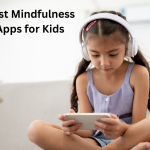
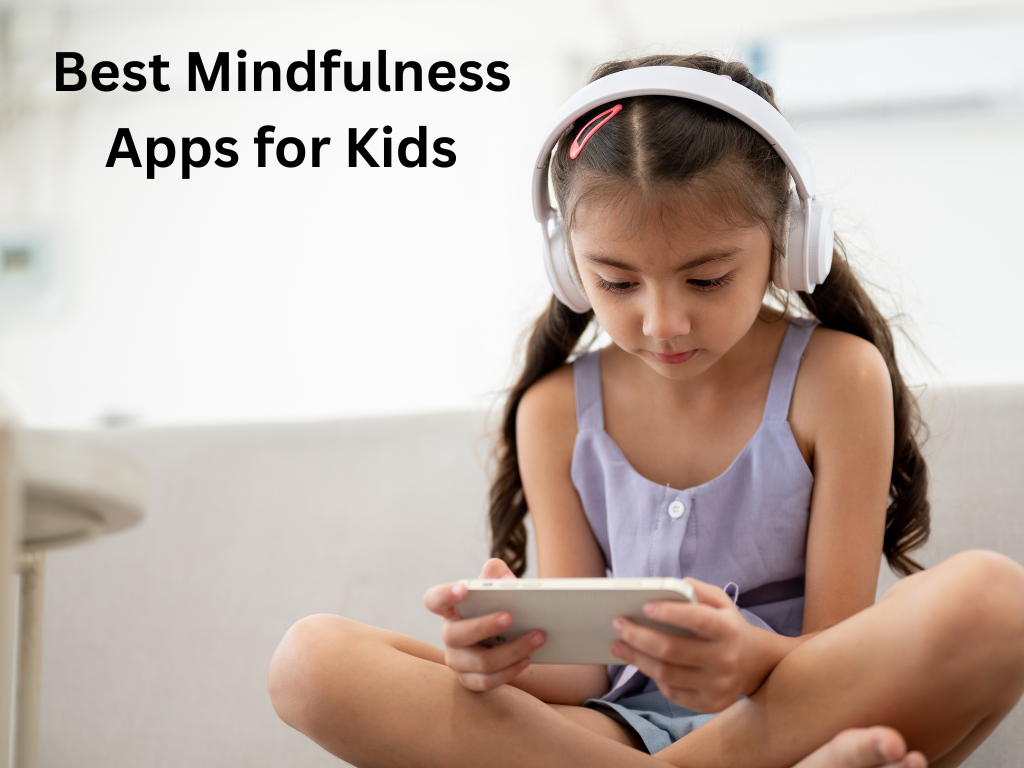
Children experience stress, anxiety, and emotional overwhelm just as acutely as adults do — often without the vocabulary or life experience to understand what they are feeling. Mindfulness apps designed for children teach breathing techniques, body awareness, and emotional regulation in ways that are genuinely accessible to young minds. Used consistently, these tools can help children manage meltdowns, sleep better, focus in school, and develop the emotional intelligence that research consistently links to long-term wellbeing. Here are the five best mindfulness apps for children in 2026.
Why Mindfulness Works for Children (The Research)
A 2019 meta-analysis published in Mindfulness journal, reviewing 24 studies of school-based mindfulness programmes, found consistent improvements in children’s attention, stress levels, and emotional regulation. Brain imaging studies from Harvard Medical School have shown that regular mindfulness practice measurably increases grey matter in areas of the brain associated with emotional regulation and attention. For children specifically, the earlier these practices begin, the more deeply they are embedded as lifelong coping tools.
The 4 Best Mindfulness Apps for Kids in 2026
1. Smiling Mind — The Psychologist-Designed Free Mindfulness App
Website: https://www.smilingmind.com.au
Google Play: Play Store
Smiling Mind was developed by Australian psychologists specifically for young people and is the strongest recommendation for families new to mindfulness. The app is completely free — created by a non-profit organisation funded by the Australian government — and contains structured mindfulness programmes for children from age 7 upwards, as well as dedicated programmes for parents and educators. The exercises range from 3–20 minutes and cover breathing, body scan, awareness, and sleep preparation. The interface is calm and focused, without the gamification or character-based design that some parents find distracting in children’s wellness apps.
2. Headspace for Kids — Meditation Made Fun and Accessible
Website: https://www.headspace.com
Headspace’s dedicated children’s section includes age-grouped meditations for ages 5–8, 6–8, and teenagers, each using language and imagery appropriate to those developmental stages. The ‘mini meditations’ (1–3 minutes) are particularly practical — short enough to use before a test, after an argument, or at bedtime without requiring significant commitment. Headspace requires a Family subscription (around £12.99/month for up to 6 family members), which also gives parents access to the full adult meditation library — making it one of the most cost-effective whole-family wellness investments available.
3. Breathe, Think, Do with Sesame — Perfect for Ages 2–5
Website: https://www.sesamestreet.org
Google Play: Play Store
Sesame Street’s mindfulness app is designed specifically for preschoolers and uses a familiar Sesame Monster character to teach problem-solving and emotional regulation. Children help the Monster calm down and solve everyday challenges (spilled juice, a friend taking a toy, not wanting to go to sleep) through breathing exercises and thinking strategies. The app is completely free, has no ads, and is developed in partnership with child development experts. For parents of toddlers and preschoolers who want to introduce mindfulness concepts before children are old enough for formal meditation, Breathe, Think, Do is perfect.
4. Calm — Sleep Stories and Meditation for All Ages
Website: https://www.calm.com
Google Play: Play Store
App Store: App Store
Calm’s children’s content includes Sleep Stories narrated by well-known voices, breathing exercises, and nature soundscapes that children aged 6 and up respond to strongly. The Sleep Stories are particularly beloved — gentle, beautifully written narratives specifically designed to ease children into sleep. Calm is a premium app (around £14.99/year, though family plans exist) but is consistently rated as the highest-quality mindfulness content available for both adults and children. For families where parents are also using mindfulness tools, a shared Calm subscription is an excellent combined investment.
Building a Mindfulness Habit That Sticks
The most effective approach is to attach mindfulness practice to an existing daily routine — before bed, after school, or before a meal. Start with just one two-minute breathing exercise per day and build from there. Practice alongside your child: children are far more likely to engage with mindfulness when they see their parent treating it as a genuine personal practice rather than a homework assignment. Over time, children who have learned to breathe through big emotions carry that skill with them far beyond the app itself.