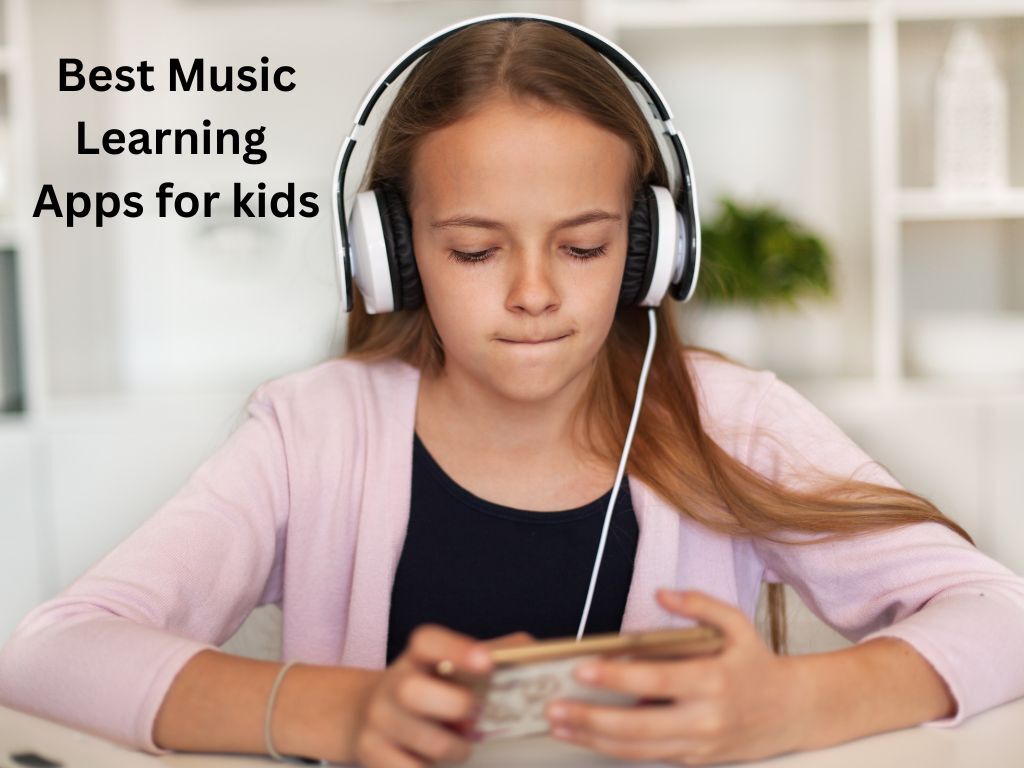
Music education produces some of the most well-documented benefits in all of child development research: improved mathematical ability, stronger reading skills, better working memory, greater emotional intelligence, and higher academic achievement. Yet access to traditional music lessons has always been limited by cost, geography, and scheduling. Music learning apps are democratising this access — putting high-quality, interactive music education in the hands of any child with a smartphone or tablet. These are the five best music learning apps for children in 2026, tested for genuine learning outcomes and long-term engagement.
What Age Can Children Start Learning Music Through Apps?
Children as young as 2 can begin exploring music through apps that focus on rhythm, singing, and sound exploration — Chrome Music Lab is ideal at this stage. Structured instrument learning through apps works best from age 5 or 6 onwards, when children have sufficient fine motor control and attention span for guided lessons. By age 8, children can begin working through adult music learning apps (with parental supervision) if their musical interest is strong. The key is matching the app’s complexity to the child’s genuine interest rather than imposing structured learning before they are ready.
The 5 Best Music Learning Apps for Kids in 2026
1. Simply Piano — Learn Real Piano in Weeks, Not Months
Website: https://www.joytunes.com
Simply Piano listens through the device’s microphone to hear what a child plays on a real or digital piano and responds in real time — correct notes advance the song; incorrect ones prompt helpful feedback. The curriculum is progressive and genuinely effective: children move from single notes to chords to recognisable songs within weeks, which provides the motivational momentum that traditional beginner methods often lack. The song library is vast, spanning classical pieces, pop songs, film scores, and original compositions. Simply Piano requires a real or digital piano keyboard (or piano app running simultaneously). Subscription from around £14.99/month.
2. Yousician — Multi-Instrument Learning with Real Feedback
Website: https://yousician.com | 📦 Google Play: Play Store | 🍎 App Store: App Store
Yousician covers guitar, piano, ukulele, bass, and singing in a single platform, making it the most versatile music learning app available. Like Simply Piano, it listens and responds to what children actually play, providing real-time feedback on accuracy and timing. The game-like interface with stars, achievements, and progress charts keeps children motivated across hundreds of lessons. Yousician is most suitable for children aged 8 and up — younger children may find the interface complex. The free tier offers limited daily practice time; premium plans from around £11.99/month unlock unlimited practice.
3. Musicca — Building Music Theory From the Ground Up
Website: https://www.musicca.com
Musicca covers the theory side of music education that performance-focused apps often neglect: note reading, intervals, chords, scales, rhythmic notation, and ear training. For children who are learning an instrument with a teacher but need supplemental theory practice, Musicca is a brilliant complement — structured, clear, and completely free for most of its features. The exercises are gamified with immediate feedback and progress tracking. Children aged 8 and up who are serious about music will find Musicca an excellent study companion.
4. Piano Kids — The First Step for Young Beginners
Google Play – Play Store
Piano Kids is designed for children aged 2–6 who want to explore piano without structured lessons. The app presents a colourful, simplified keyboard and offers songs, nursery rhymes, and free-play modes where children can experiment with sound without pressure. It introduces note names, basic rhythms, and musical concepts through play rather than instruction — building the foundational curiosity and comfort with an instrument that makes future formal learning more likely to stick. The interface is simple enough for a 2-year-old to use independently and contains no advertising.
5. Chrome Music Lab — Free, Browser-Based Music Exploration
Website: https://musiclab.chromeexperiments.com
Chrome Music Lab (from Google) is a browser-based collection of musical experiments that makes music theory visual and interactive. Children can build melodies by placing dots on a grid, explore how different instruments produce sound waves, experiment with rhythm using drum patterns, and visualise music as it plays. It is completely free, requires no download or account, and works on any device with a browser. For younger children or for families who want a zero-cost introduction to music and sound, Chrome Music Lab is one of the finest free educational tools available anywhere on the internet.
Supplementing App Learning with Real Music Experiences
Apps are powerful learning tools, but live music experiences deepen the relationship with music in ways no app can replicate. Take children to live performances (school concerts, community bands, children’s orchestras), encourage them to listen critically to a broad range of music styles, and if possible arrange even occasional in-person lessons with a teacher — human feedback, especially in the early stages, accelerates learning far faster than any algorithm. Apps are the daily practice tool; the teacher and the live experience are the inspiration.